Skip to content
Contact
Case studies

This is how we solve it

Examples of assignments we are proud of. This is how we solve a challenge. Below every case you will find where to take a similar question.

Would you like to know whether we have experience with work like yours? Ask us, and we will tell you what we are allowed to share.

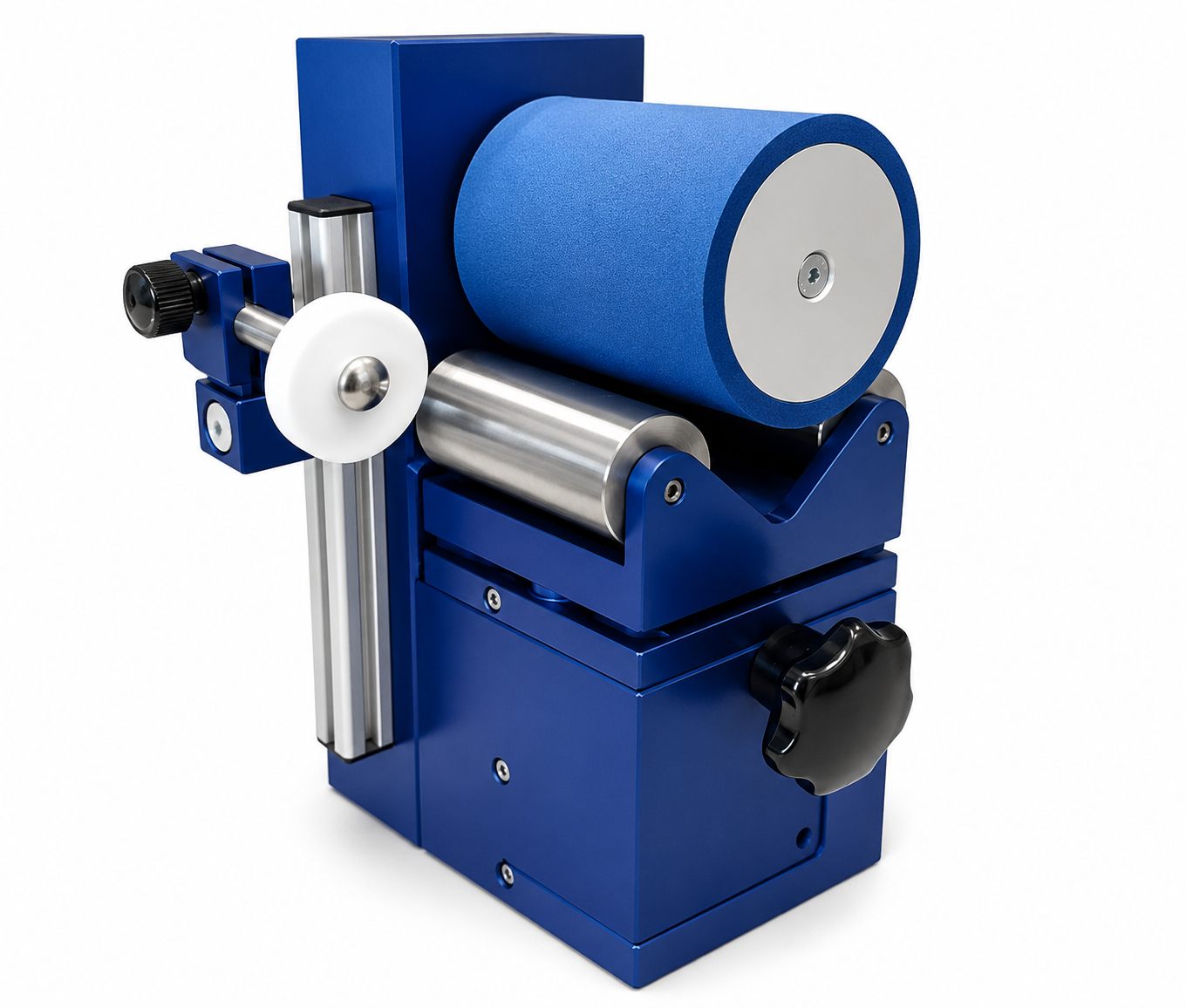
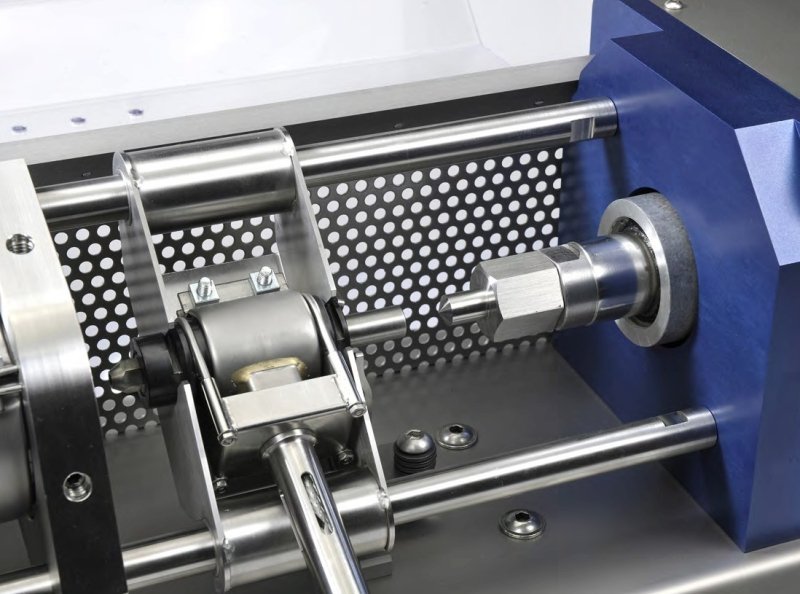
Module from the machine, fully assembled and adjusted
The internals, with the machined parts in place
Mechanical engineering

From loose parts to a machine shipped worldwide

The challenge

A machine builder sells his equipment all over the world and was not looking for a machining company but for a partner able to handle the whole route: making the parts, buying in the rest, assembling and preparing for shipment.

The approach

We produce the precision parts, buy in the parts we do not make ourselves, assemble the whole and test it. We carry out the electrical final test together with a specialised partner. After that we design the packaging and ship the complete unit, up to and including installation on site at the end customer.

The result

The customer has one point of contact instead of a string of suppliers, and receives a tested unit instead of boxes of parts. The cooperation has been running for years now.
Discuss your own assembly with us
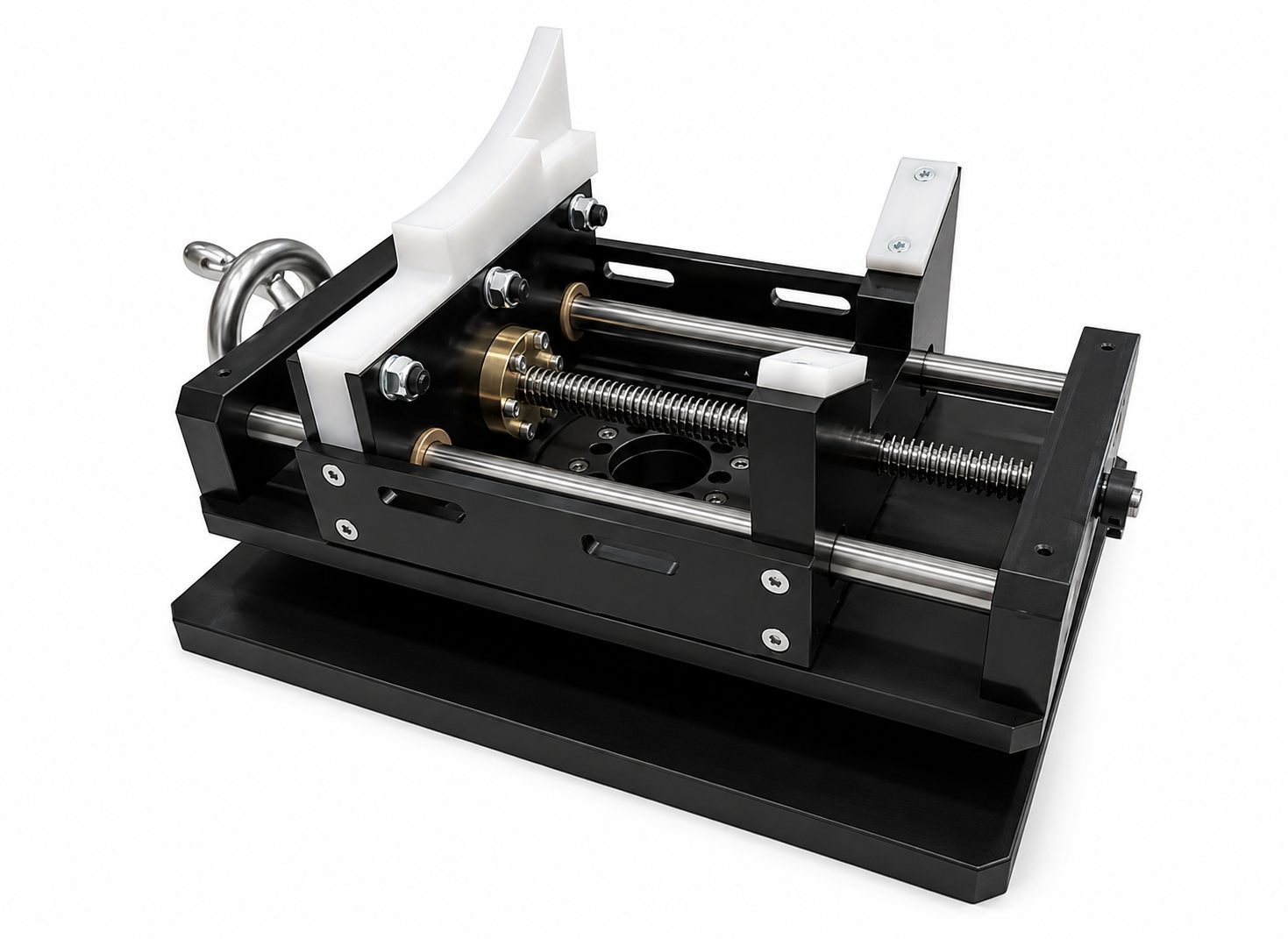
Tooling with plastic supports on a machined frame
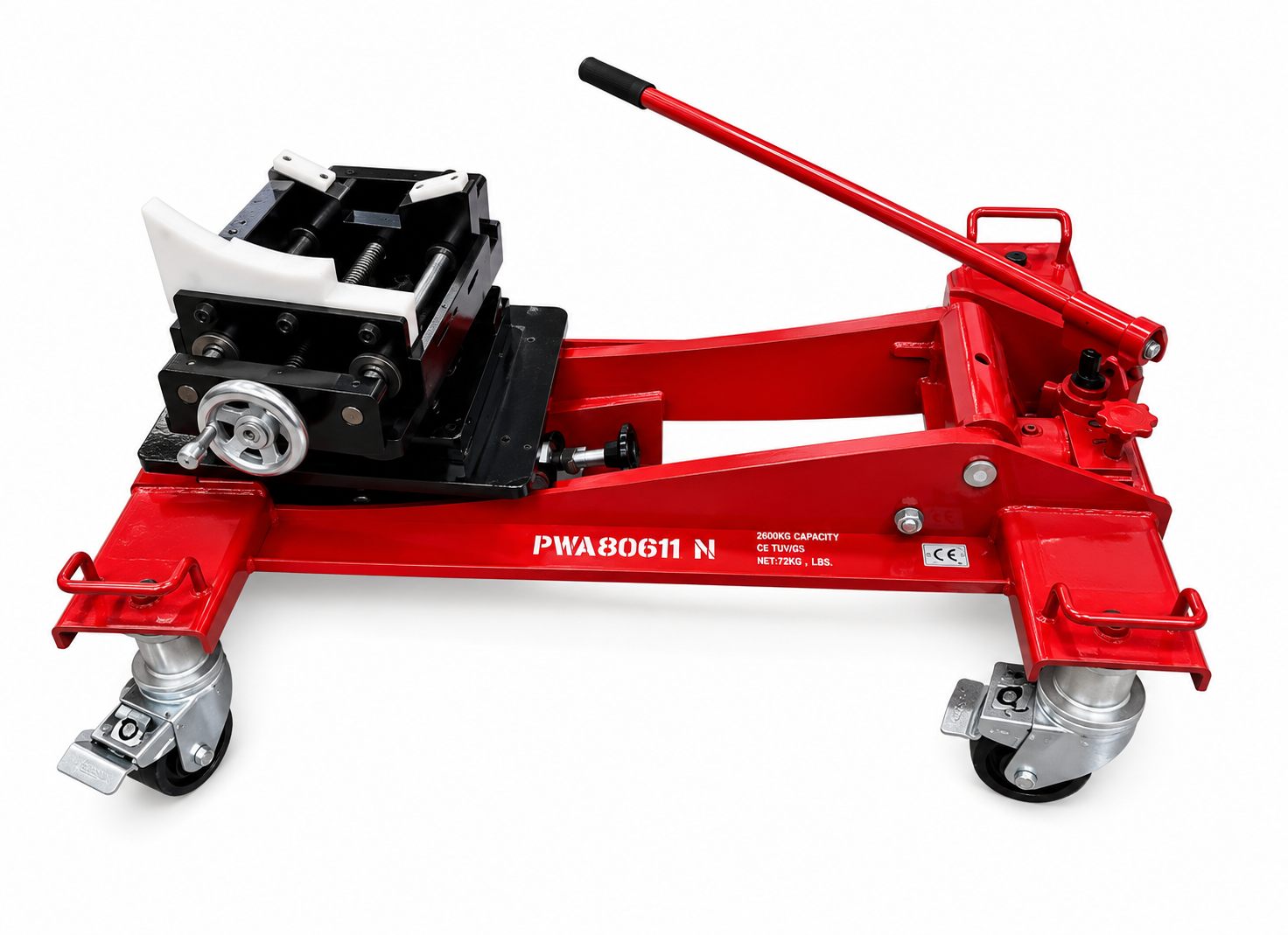
The same tooling mounted on its base frame
Aircraft manufacturing

Tooling that must not leave a single scratch on the product

The challenge

For the aircraft industry, parts had to be held and moved during assembly and transport. The tooling had to be strong enough to carry the weight, but was not allowed to damage the product itself at any point.

The approach

We machined the frames in aluminium and steel and the supports that touch the product in engineering plastic, so that metal never comes into contact with the product. All made in house, anodised or painted through our regular partners, and then assembled here into a working whole.

The result

Tooling that protects the product instead of threatening it, delivered from a single source. Exactly the kind of assembly for which a customer would otherwise need two suppliers: a machining company for the metal and a second one for the plastic.

Request a quotation for your tooling
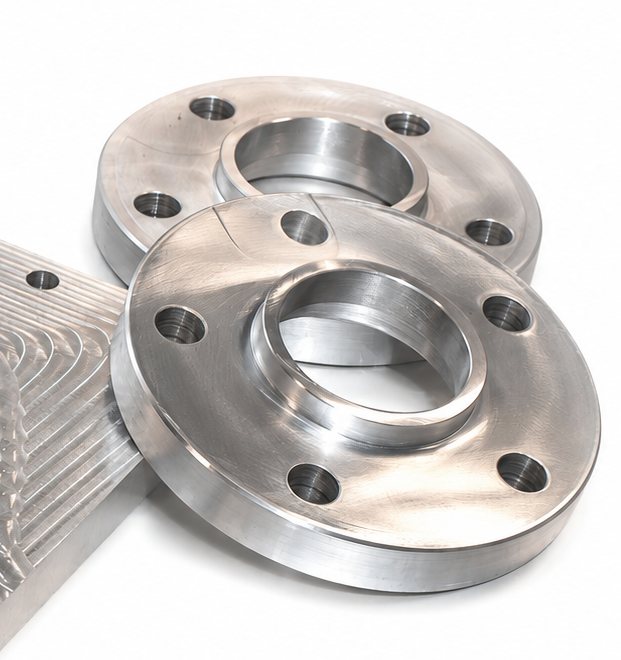
Turned flanges, ready for delivery
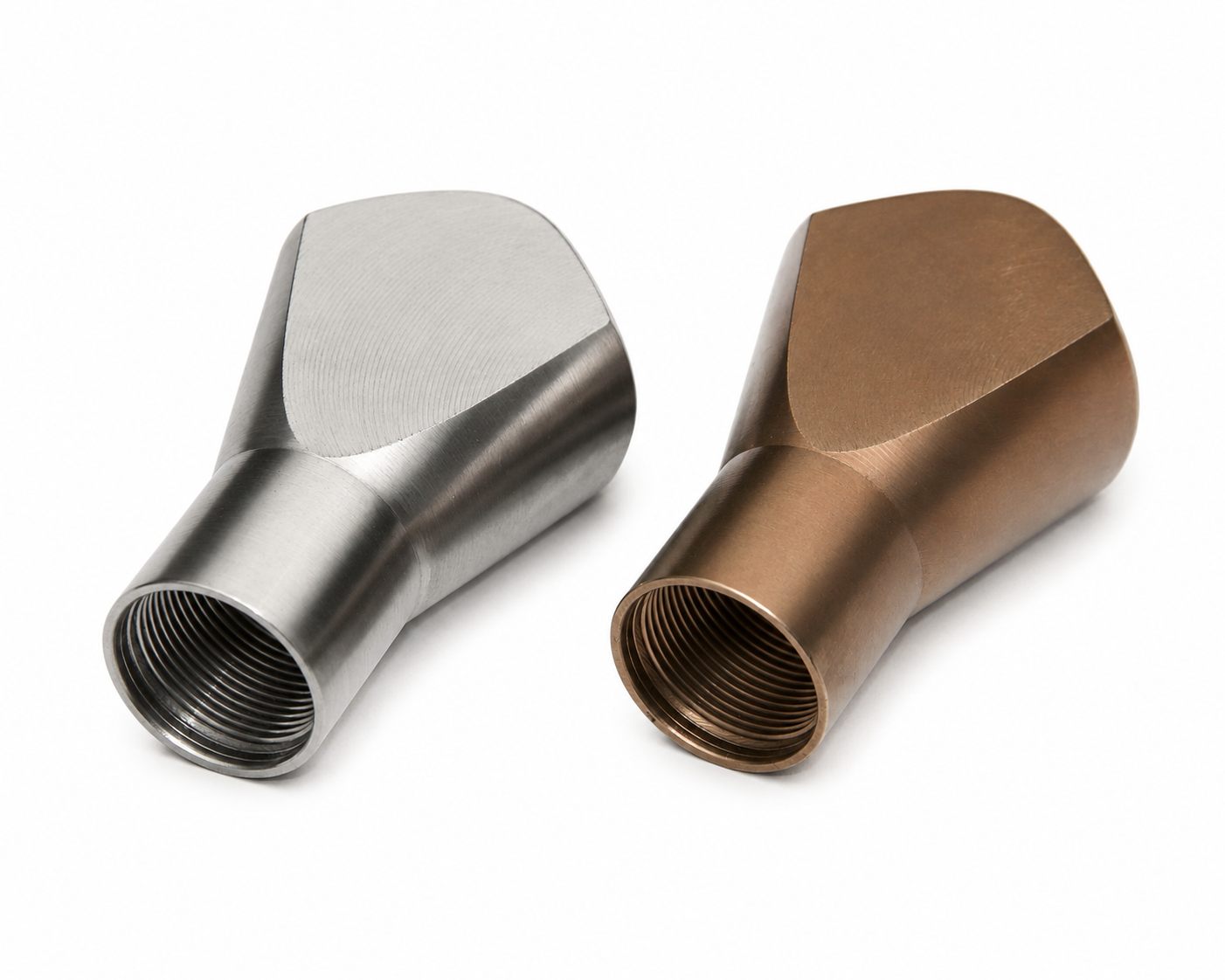
The same article in stainless steel and in bronze, ready for call-off
Marine and energy

Spare parts ready before they are needed

The challenge

An international supplier of marine and energy installations orders spare parts in small quantities, but continuously: bushes, plugs, sealing rings and sleeves. Planning every order separately means setting up again every time, and therefore the same waiting time over and over.

The approach

We keep the data of every item on file digitally, including the fixture and the program, so that a repeat order starts without any discussion. For the most requested items we look at a call-off agreement together: we produce ahead in one run, you call off when you need it.

The result

A shorter lead time on repeat work and fewer separate orders to administer. The number of items we make for this customer has been growing for years.

Discuss a call-off agreement
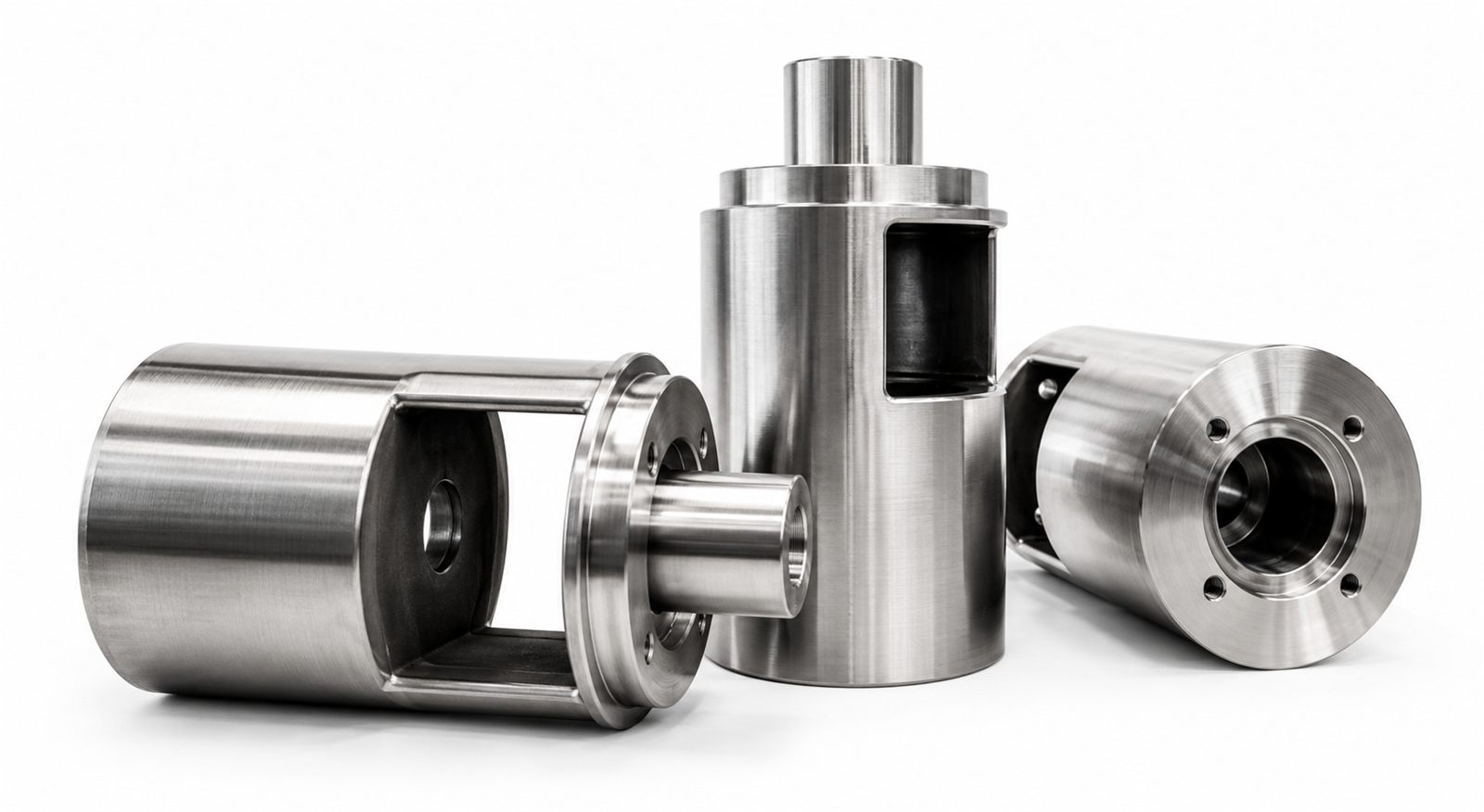
Three turned and milled cylinder housings in stainless steel
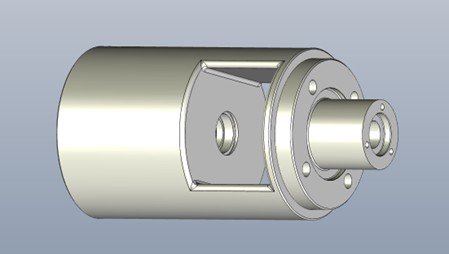
The 3D model we made of the existing part
Industrial maintenance

Remaking parts without an up-to-date drawing

The challenge

During an overhaul of industrial cylinders the original drawings turned out to be out of date. The installation was at a standstill and all that lay on the table was a worn part.

The approach

We measured the existing part and made a complete drawing package with a 3D model from it. We then machined the new parts, with the finishing through our regular partners, and supplied the drawings with them so that the customer has them from now on.

The result

The installation could run again, and next time the same job no longer starts from scratch.

Put your overhaul question to us
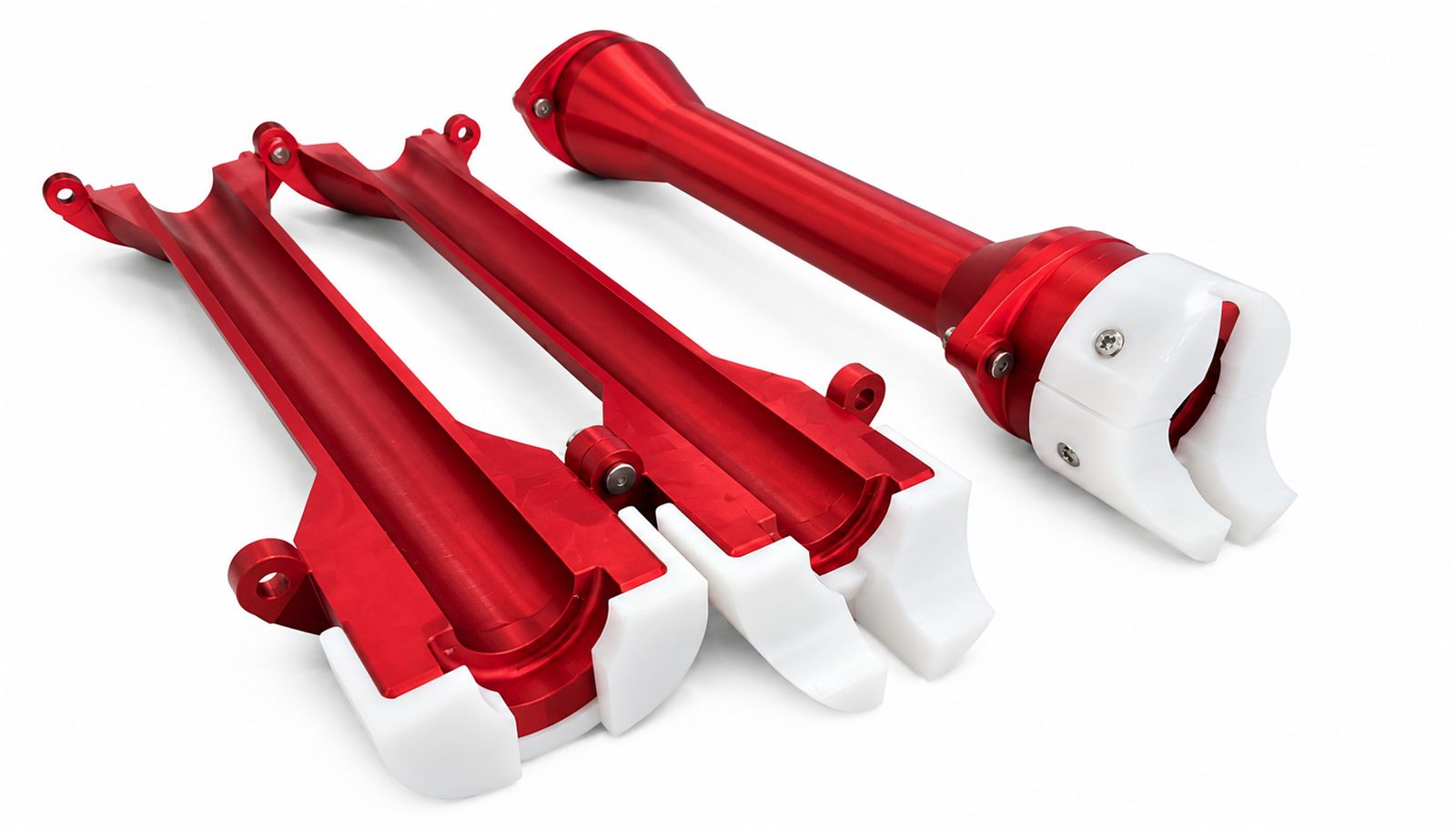
White plastic clamping parts on red anodised aluminium
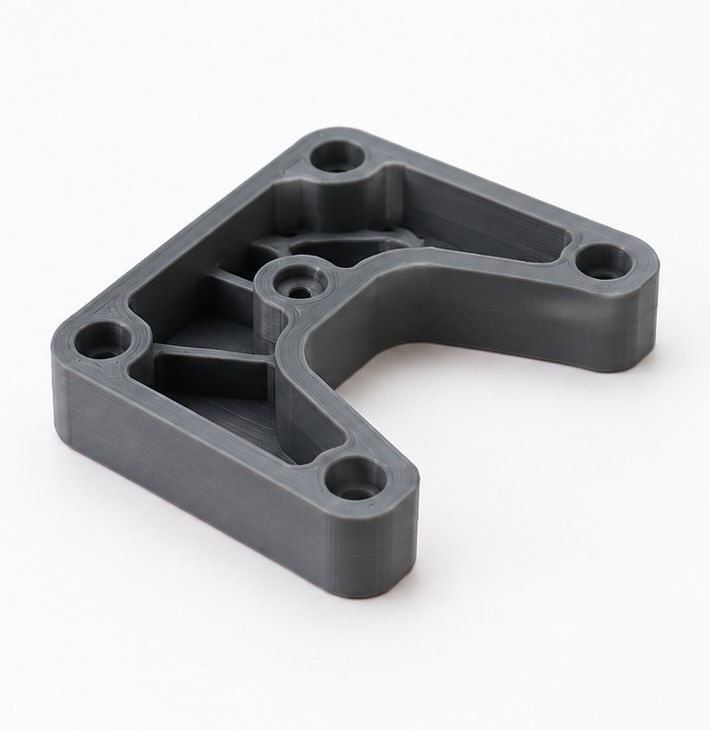
A printed part, with the print layers visible
Tooling and fixtures

Print first, mill later

The challenge

A customer needed a fixture to hold products during assembly. Having it milled in metal was expensive for something nobody knew the right shape of yet.

The approach

We first designed the fixture and printed it in plastic, so that it could be tested in practice. After two adjustments the shape was right. The load-bearing part was then milled, the rest stayed printed.

The result

A working fixture for a fraction of the cost of three milled trial versions, and a design that was right straight away when it went into metal. We use this route for our own workholding fixtures as well.

Request a quotation for your prototype
Your challenge

Do you recognise your own challenge?

Send your drawing with the quotation request and we will calculate with the right data straight away.

Request a quotation
Case studies | Sailer | Sailer Sittard